

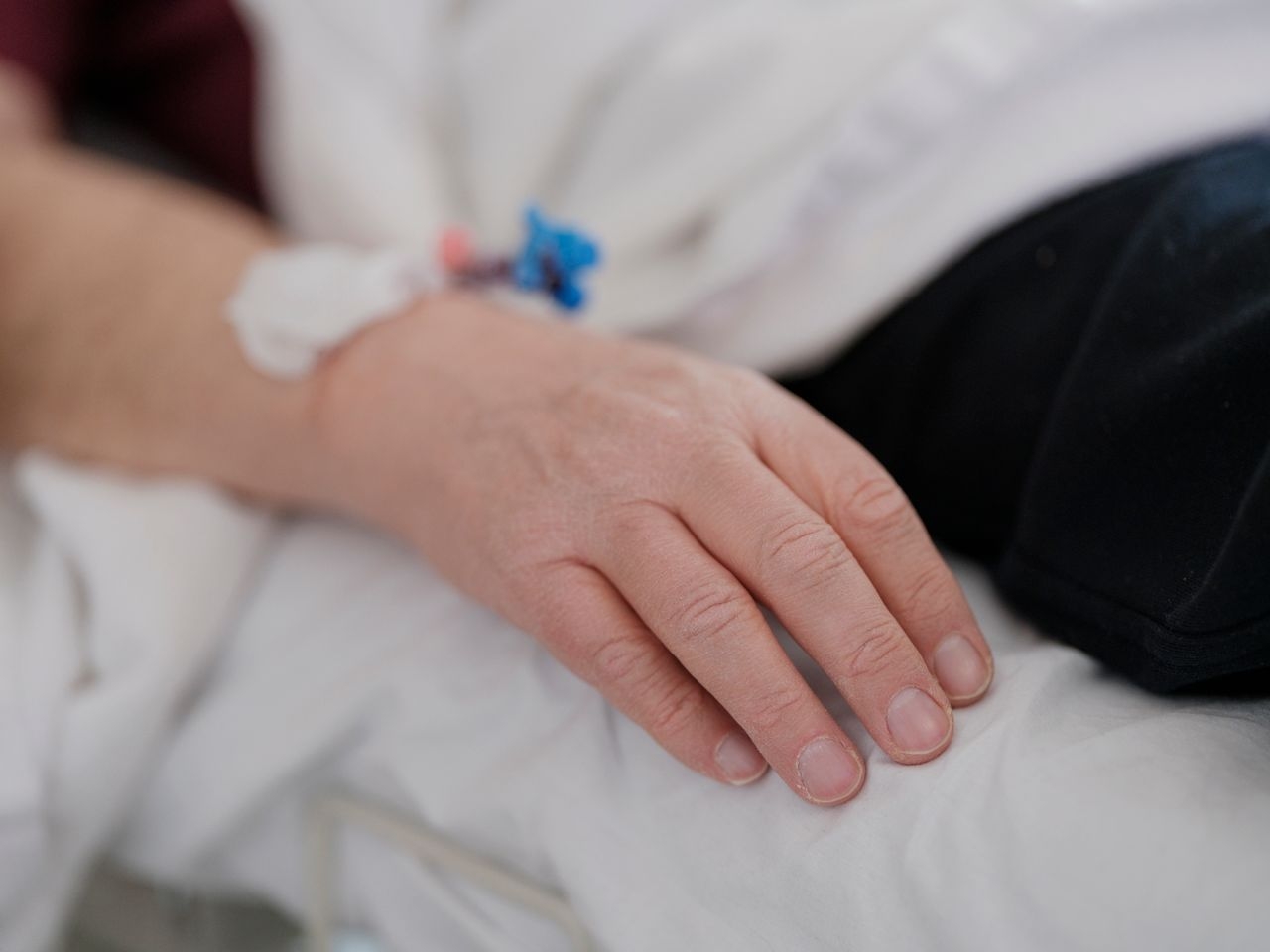
Your loved one was in the hospital with an infection. Maybe they had a fever, seemed unusually confused, or were getting weaker despite treatment. You trusted the medical team to recognize when their condition was becoming serious and respond appropriately.
Instead, their condition deteriorated. By the time doctors diagnosed sepsis, they were critically ill, needed intensive care, or had developed serious complications.
Now you're wondering whether the hospital could have acted sooner—and whether that delay caused harm that might otherwise have been avoided.
In New Jersey, a hospital can be held liable for medical negligence when failures to recognize or appropriately treat sepsis fall below accepted medical standards and cause additional harm. But a patient developing sepsis or experiencing complications does not automatically establish malpractice.
Understanding the warning signs, where treatment delays can happen, and what must be proven can help you determine whether you have grounds for a claim.
What Is Sepsis, and Why Does Early Treatment Matter?
Sepsis is a life-threatening medical emergency that occurs when the body's response to an infection causes organ dysfunction.
It can develop from infections involving the lungs, urinary tract, skin, abdomen, or other areas of the body. Without prompt treatment, sepsis can worsen, potentially leading to septic shock, organ failure, and death.
Warning signs can include, but are not limited to:
- Fever, shivering, or feeling unusually cold
- Rapid heart rate or a weak pulse
- Shortness of breath
- Confusion or disorientation
- Extreme pain or discomfort
- Clammy or sweaty skin
Not every patient experiences the same symptoms. Some warning signs also occur with less serious illnesses, making clinical judgment, examination findings, and monitoring particularly important.
Because sepsis can worsen rapidly, healthcare providers must promptly evaluate concerning symptoms and initiate treatment according to the patient's condition and the severity of the suspected infection.
What Happens If a Hospital Overlooks Sepsis Warning Signs?
Patients do not always arrive at the hospital with an obvious case of sepsis. Some develop it after admission, while others show symptoms that become more concerning over time.
If you noticed your loved one becoming more confused or weaker, or repeatedly raised concerns about their worsening condition, you may be wondering whether the medical team should have responded differently.
For example, a hospitalized patient might develop a rapid heart rate, abnormal breathing, falling blood pressure, or new confusion. These findings do not necessarily establish sepsis on their own. But when they occur alongside a suspected infection, they can indicate a serious condition requiring urgent evaluation.
Healthcare providers must assess changes in a patient's condition and respond according to the circumstances.
If concerning findings were repeatedly documented without an appropriate response, that could indicate that providers missed an opportunity to intervene before the patient's condition worsened.
How Can Delayed Sepsis Treatment Become Medical Malpractice?
When a hospital fails to recognize or appropriately treat sepsis, the breakdown in care can occur at different stages, from the initial evaluation to ongoing treatment. Examples include:
- Overlooking warning signs: Staff fail to recognize concerning changes in vital signs or mental status.
- Delaying necessary testing: Providers do not order or appropriately follow up on tests needed to evaluate suspected infection or organ dysfunction.
- Failing to escalate care: A deteriorating patient's condition is not promptly communicated to a physician or appropriate response team.
- Delaying treatment: Necessary antibiotics, intravenous fluids, or other indicated interventions are not started within an appropriate timeframe.
- Inadequate reassessment: Providers fail to respond when a patient's condition continues to worsen despite initial treatment.
These circumstances do not automatically establish negligence. The applicable standard of care depends on the patient's presentation, the information available, and the clinical decisions required at the time.
For instance, antibiotics are often essential in treating sepsis, but the appropriate timing and treatment depend on the circumstances, including the suspected cause and severity of illness.
What matters is whether the providers' decisions met accepted medical standards and whether a failure to provide appropriate care caused the patient's condition to worsen.
Can You Sue If Sepsis Caused Organ Failure or Permanent Injury?
Yes. A patient who suffers organ failure, permanent injury, or other harm because of negligent sepsis care can have grounds for a medical malpractice claim in New Jersey. But experiencing a serious complication does not necessarily mean that medical malpractice occurred.
To succeed in a medical malpractice claim, you generally must show that a healthcare provider failed to meet accepted medical standards and that this failure caused an injury for which compensation can be sought.
Sepsis can cause serious complications even when doctors and nurses provide appropriate care. The key question in a malpractice claim is whether negligent treatment caused additional harm or made the patient's condition worse.
For example, if delayed intervention allowed an infection-related condition to progress, medical evidence would be needed to evaluate whether earlier treatment would have avoided or reduced the resulting injury.
Sepsis can leave patients with kidney damage, neurological complications, limb loss, or other lasting disabilities. When medical negligence causes or worsens these injuries, compensation can include related medical expenses, lost income, future care needs, and pain and suffering, depending on the circumstances.
If a patient dies because of negligent medical care, a wrongful death claim or a related claim on behalf of the patient's estate may also be available under New Jersey law.
What Evidence Can Show That the Hospital Delayed Sepsis Treatment?
Evaluating a suspected sepsis malpractice case involves reconstructing what happened as the patient's condition changed.
Medical records can reveal when providers first observed signs of infection, when the patient's vital signs became concerning, and how the hospital responded.
Relevant evidence can include:
- Nursing assessments and vital-sign records
- Laboratory results, including blood cultures and lactate testing when performed
- Physician orders and progress notes
- Records showing when medications and fluids were administered
- Communications between nurses, physicians, and specialists
- Intensive care records documenting changes in the patient's condition
The timing of these events can help establish whether the hospital responded appropriately as the patient's condition deteriorated. For example, records showing that a patient's blood pressure was falling hours before treatment was escalated could help determine whether the delay fell below accepted medical standards and contributed to the patient's injuries.
At Fronzuto Law Group, we handle medical malpractice cases involving serious injuries and hospital negligence. Reviewing the medical records and evaluating the care provided can help determine whether a treatment failure contributed to an avoidable injury.
How Long Do You Have to File a Sepsis Malpractice Lawsuit in NJ?
In New Jersey, the general statute of limitations for an adult medical malpractice injury claim is two years. The starting date depends on when the claim accrued, and the discovery rule can affect cases where the injury and its possible connection to negligent care were not reasonably apparent earlier.
Different rules apply in certain circumstances, including claims involving minors or wrongful death. Claims against public hospitals or other public entities can also require a formal notice of claim, generally within 90 days after the claim accrues. This notice requirement is separate from the deadline for filing a lawsuit.
Medical malpractice lawsuits generally require an affidavit of merit from an appropriately qualified professional, subject to certain exceptions.
Because these requirements are fact-specific, it is important not to assume that the filing deadline begins only when a family discovers exactly what went wrong.
What Should You Do If You Suspect a Hospital Missed Sepsis?
If your loved one is still experiencing signs of a serious infection or their condition is deteriorating, obtaining immediate medical attention comes first.
If they suffered serious complications after a delayed sepsis diagnosis, preserve the information available to you. Keep discharge paperwork, follow-up treatment records, and written communications relating to their care. You can also document what you observed, including changes in symptoms, conversations with hospital staff, and when the patient's condition became critical.
These details can help establish a timeline, but determining whether medical negligence occurred requires a closer review of the hospital's care, the treatment provided, and the injuries that resulted.
At Fronzuto Law Group, we represent individuals and families affected by serious medical injuries throughout New Jersey. If you believe delayed recognition or treatment of sepsis caused avoidable harm, contact us to discuss what happened and whether you have grounds for a medical malpractice claim.
Disclaimer: The articles on this blog are for informational purposes only and are no substitute for legal advice or an attorney-client relationship. If you are seeking legal advice, please contact Fronzuto Law Group directly.